
Quick answer
In 2026, buying a house in Nairobi typically costs the purchase price plus 6–9% in closing costs: 2% or 4% stamp duty, roughly 1–1.5% legal fees, valuation, land search and registration charges.
What a Nairobi home costs before fees
Nairobi is really several property markets stacked together. A two-bedroom apartment in Kilimani or Kileleshwa trades in a very different band from a four-bedroom maisonette in Runda or a townhouse off Kiambu Road, and the gap has widened as buyers chase space, backup power and reliable water.
As a working guide for 2026, apartments in the middle-income belt (Kilimani, Lavington fringe, Riverside, Thika Road corridor) sit in the lower-to-mid millions per unit, gated townhouses in Ruiru, Mugutha and Garden Estate occupy the middle, and standalone villas in Karen, Muthaiga, Kitisuru, Runda and Tigoni sit at the top. Price per square metre — not the headline figure — is the number that tells you whether a listing is fair.
- Apartments: strongest supply in Kilimani, Westlands, Kileleshwa and along Thika Road.
- Townhouses: best value in Ruiru, Mugutha, Kiambu Road and Ridgeway.
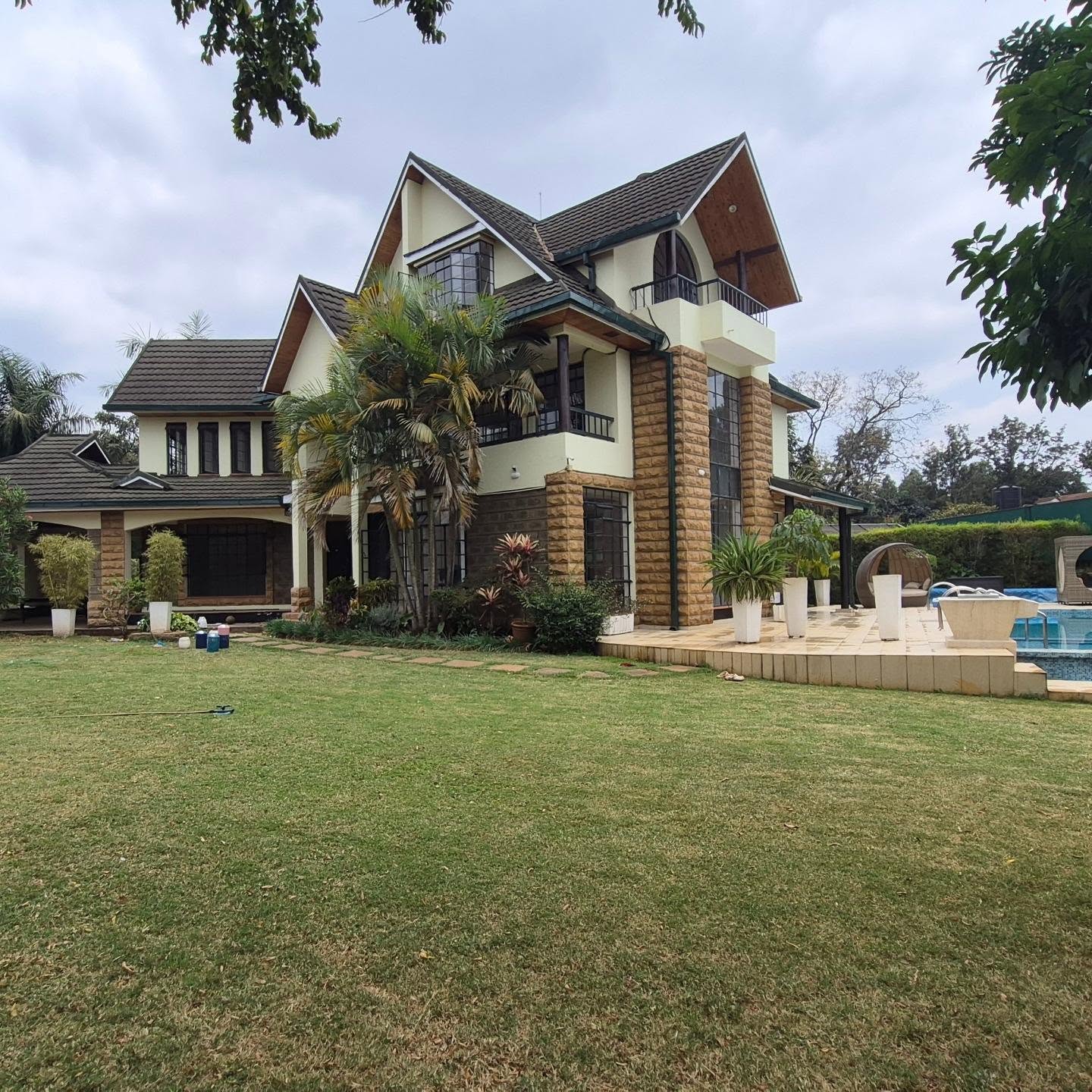
- Villas and land: Karen, Muthaiga, Kitisuru, Runda, Tigoni and greater Kiambu.
The closing costs buyers forget
Most first-time buyers budget for the deposit and the loan, then get surprised in the last four weeks. Plan for stamp duty at 4% of the value for property inside a municipality and 2% outside it, advocate fees on the statutory scale (broadly 1–1.5% of the price on typical transactions), a valuation fee, official land search fees, registration and disbursements.
If you are buying with a mortgage, add bank arrangement fees, the lender's own valuation, and mortgage protection and fire insurance premiums. Together these routinely add 6–9% on top of the agreed price, so a KSh 12,000,000 house realistically needs about KSh 13,000,000 in place.
- Stamp duty: 4% urban, 2% rural (paid by the buyer).
- Legal fees: advocate's scale, plus disbursements for searches and registration.
- Valuation: required by every lender, useful even for cash buyers.
- Land rates and rent clearance certificates: confirm they are settled before completion.
How to protect your money during the purchase
Run an official search at the land registry before any deposit leaves your account, and repeat it just before completion. Confirm the title is genuine, the seller's name matches their ID, and there is no caveat, charge or restriction sitting on the parcel.
Pay deposits into an advocate's client account, never into a personal account, and insist that the sale agreement records exactly what is included — fittings, parking slots, service charge arrears and the handover date.
Frequently asked questions
- How much does it cost to buy a house in Nairobi in 2026?
- Budget the purchase price plus roughly 6–9% in transaction costs. That covers 4% stamp duty inside municipalities (2% outside), advocate fees of about 1–1.5%, valuation, land search, registration and bank charges if you are financing.
- Who pays stamp duty in Kenya, the buyer or the seller?
- The buyer pays stamp duty in Kenya. It is assessed on the government valuer's figure or the purchase price, whichever is higher.
- Can I buy property in Kenya as a non-resident?
- Yes. Non-citizens can own property on leasehold terms of up to 99 years. Freehold agricultural land is restricted to citizens, so most foreign buyers purchase apartments, townhouses or leasehold plots.
Sources & further reading
Written by Jayhenrys Homes Research Desk
About Jayhenrys Homes
Jayhenrys Homes is a Nairobi real-estate agency based in Garden Estate. We help buyers, tenants and investors compare homes, view properties and work through the buying or renting process across Nairobi and Kiambu. Have a question about this guide? Call +254 792 999888 or send us a message.